
A small boat noses out of the harbour at six in the morning, the sea still pewter, the southern sky just beginning to pale. An hour out, the captain cuts the engine. You hear a slow exhalation — startlingly low, almost a sub-sonic boom — and a long blue back rises out of the water and rolls forward and down again. The biggest animal that has ever lived has just breathed forty metres from your boat.
The Story
Mirissa sits at the southern tip of Sri Lanka, where the continental shelf drops away steeply into deep water. That undersea cliff is what makes the whale watching here unusual: the deep nutrient-rich currents that support large baleen whales come close to shore — closer here than almost anywhere else on the blue whale’s range. From Mirissa harbour, boats reach the whales’ feeding grounds in roughly an hour, sometimes less.
The species you’re most likely to see is the blue whale — Balaenoptera musculus, the largest animal that has ever existed, growing to about 30 metres and 150 tonnes. The Sri Lankan population is a resident sub-population that lingers off the south coast much of the year. Sperm whales pass through, often in small pods. Bryde’s whales are seen occasionally. Spinner dolphins are almost guaranteed — large, fast pods that ride the bow wave in their hundreds.
The whale-watching industry here grew rapidly through the 2010s. With growth came concerns about boat behaviour, with too many boats crowding individual whales. The better operators today follow a code of conduct: minimum 100-metre approach distance, no cutting in front of a whale’s path, no chasing. Choose an operator carefully — your guesthouse and your driver will know which boats run cleanly. Cheaper is not better here; the smaller, slower, more careful boats give a better experience and a kinder one.
The peak of the south-coast season runs November through April, with November to early December and March to April often the most reliable months. Sea conditions can be choppy; if you’re prone to seasickness, take a tablet an hour before departure.
What You'll Experience
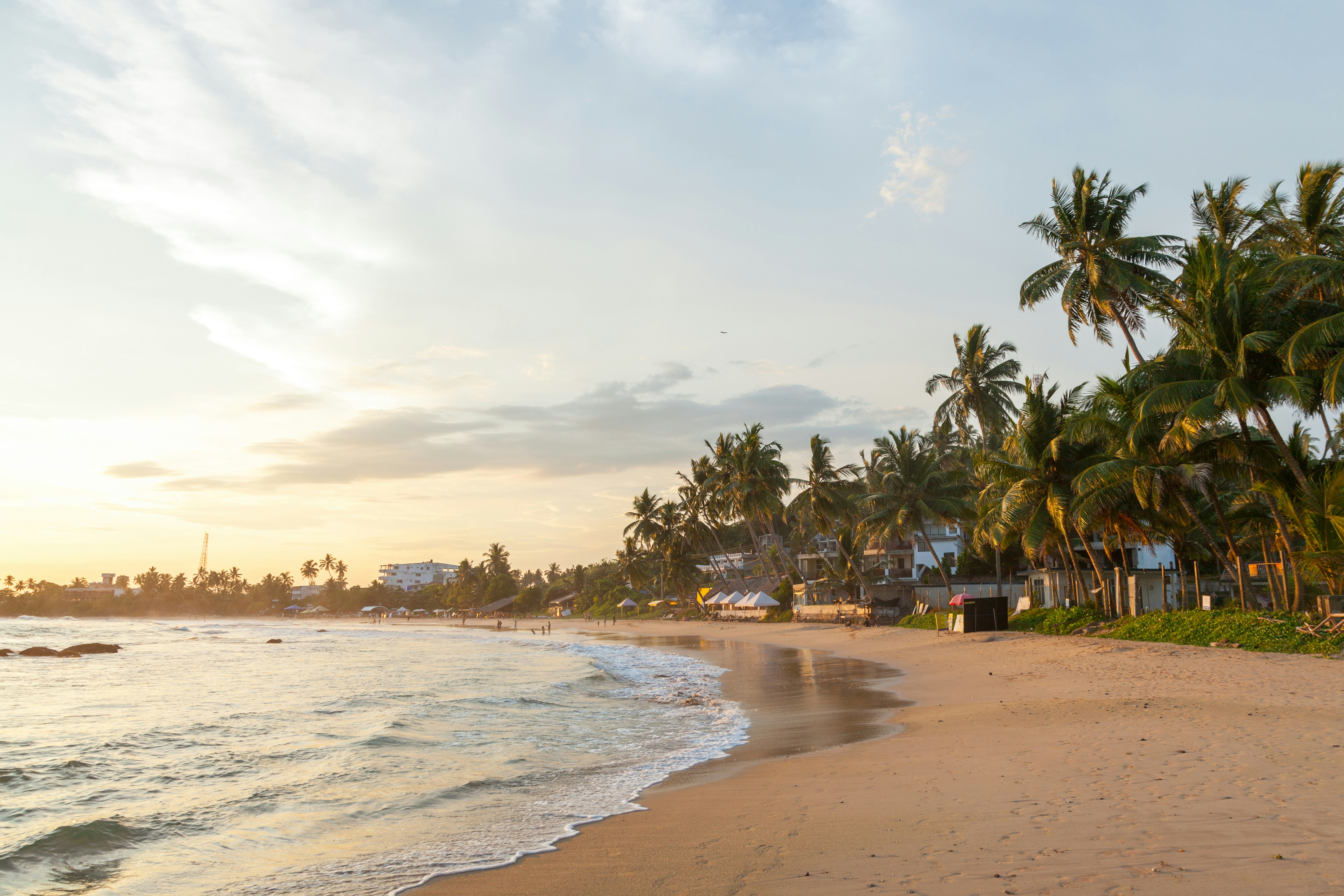
Pickup is from your guesthouse around 5:30am. The harbour is already busy — fishing boats coming in with the night’s catch, whale boats lining up at the dock, breakfast boxes being loaded. A briefing at the boat covers safety, life jackets, and the operator’s code of conduct. You depart with the first grey light over the water.
The first hour is spent steaming south. Coffee gets handed round; some travellers nap on the bow cushions. The captain watches the horizon and the gulls. Spinner dolphins appear first — fast, bright, riding the bow wave in groups of fifty or more, sometimes a hundred. The boat slows. The dolphins ride alongside for ten or fifteen minutes and then peel away.
Further out, the captain cuts the engine. Everyone scans the surface. The blue whale doesn’t announce itself: a slow, low blow at the limit of hearing, then a long blue-grey back surfacing in segments — head, mid-back, the tiny dorsal fin, and finally the long fluke as the animal sounds. Each surfacing lasts perhaps fifteen seconds, and they come in series of three or four before the whale dives for ten minutes. Patient boats catch four or five surfacings; rushed boats catch one. The image in our caption — a blue whale dives off Mirissa — is exactly that final fluke moment.
The boat reaches harbour by ten-thirty or eleven. Breakfast back at the guesthouse, an hour of sleep, and an unhurried beach afternoon — the rest of the Mirissa day arranges itself around the morning you’ve had.
Practical Details
- Location: Mirissa Harbour, eastern end of Mirissa Bay, Southern Province
- Getting There: A 5-minute tuk-tuk from any Mirissa guesthouse. Most operators include the pickup in the booking.
- Best Time to Visit: November to April. November–early December and March–April are often most reliable. Avoid heavy seas in the monsoon shoulders.
- Entry: Around USD 50–80 per person depending on operator (verify current rates). Includes life jacket, breakfast box, and harbour fees.
- What to Bring: Light waterproof layer for spray, sunscreen, hat, sunglasses, motion-sickness tablet (taken before departure), camera with a zoom lens, water.
Pair It With
- Mirissa Beach — Return to the beach for an unhurried recovery afternoon.
- Coconut Tree Hill — A short walk east of the harbour — combine with the morning return.
- Galle Fort — A 30-minute drive away — pair a Mirissa day with a Galle Fort evening.
Why It Belongs on Your Sri Lanka Journey
Whale watching from Mirissa is the south coast’s biggest single wildlife draw, and it deserves the slow, kind, well-run version of the trip rather than the rush. We work with operators we know personally, who follow the approach code and run small boats. Sea sightings are never guaranteed — these are wild animals over open water — but in the right months the odds are very good. Build the trip into a south-coast loop with two nights in Mirissa, a Galle Fort evening, and a Tangalle quiet day on the way out east.
Plan your visit to Whale Watching from Mirissa with DBRO
We design slow, considered Sri Lanka itineraries from our base on the island, with a particular ear for travellers from the Netherlands and Belgium. If Whale Watching from Mirissa is on your shortlist, we’ll fit it into a route that lets it breathe.
Useful next reads:

