
A small wooden boat noses out of the small jetty at first light. Fifteen minutes later you’re anchoring off a bright green island the size of a football pitch, with coral visible through three metres of clear water below the bow. You slip on the mask and slide overboard. A school of fusilier surrounds you within a minute.
The Story
Pigeon Island National Park is a small marine reserve about 2 kilometres off Nilaveli Beach on Sri Lanka’s east coast. The park consists of two islands — Large Pigeon Island and Small Pigeon Island — and the surrounding coral reef. The total area is small, about 470 hectares, but the snorkelling and diving here are some of the best on the island. The park was gazetted in 2003 and is managed by the Department of Wildlife Conservation, with strict limits on visitor numbers, fishing, and reef access to protect the coral.
The reef around Large Pigeon Island is the more popular snorkelling area. Coral cover is variable — some sections are healthy with hard coral and brain coral colonies; other sections have been damaged by past bleaching events and human activity. Fish life is consistently abundant: schools of fusilier, parrotfish, surgeonfish, and butterflyfish; the occasional moray eel in a reef crevice; and, with luck, blacktip reef sharks (small, harmless, shy) and green sea turtles. The image in our caption a turtle drifts over the reef edge — a green turtle in shallow coral water — captures the kind of moment that makes the boat trip worth the effort.
The east-coast season runs May through September, with July and August offering the calmest seas and best visibility. Outside this window, the seas are rougher and the boats often don’t run. Visibility on the reef is generally 8–15 metres, occasionally better; warm water temperatures (28–30°C) make the snorkelling a no-wetsuit affair.
The island itself — beyond the snorkelling — is small, with a sandy beach, casuarina trees, and a small ranger station. The name comes from the rock pigeons that nest on the cliffs, descendants of escaped colonial-era domestic pigeons. Walking on the island is permitted but should be respectful; the entire reef and shore is national park.
What You'll Experience
Take the boat at first light, before the wind picks up. Pickup is from your Nilaveli guesthouse around 7am; the boat departs from a small jetty at the southern end of the beach. The trip takes about 15 minutes each way, and most operators will spend 2–3 hours at the island for snorkelling and a beach break.
Equipment varies between operators. Better-run boats include mask, snorkel, and life jacket in the trip price; cheaper operators may charge for hire or supply equipment of variable quality. Bring your own mask if you have a good one — fit matters more than anything else for snorkelling enjoyment, and rented masks are often loose. We work with operators we trust; ask us for current recommendations.
At the island, the boat anchors off the main snorkelling area on the western side. Slip in from the boat or wade out from the small beach. The first thing you notice is the school: hundreds of small bright fish — fusilier, surgeonfish, sergeant majors — closing in around you within seconds. The coral is patchy: some areas are vibrant, others are bleached or broken. Follow your guide, or simply drift; the reef structure is small enough to explore the whole western side in 90 minutes.
Look for the larger reef life. Blacktip reef sharks — typically 1 to 1.5 metres long — patrol the deeper sections; they are shy and harmless to swimmers. Green turtles graze on the seagrass beds at the reef edges. Octopuses hide in crevices; moray eels watch from rocks. The image a turtle drifts over the reef edge is the kind of moment that arrives unannounced, usually about ten minutes after you’d given up looking.
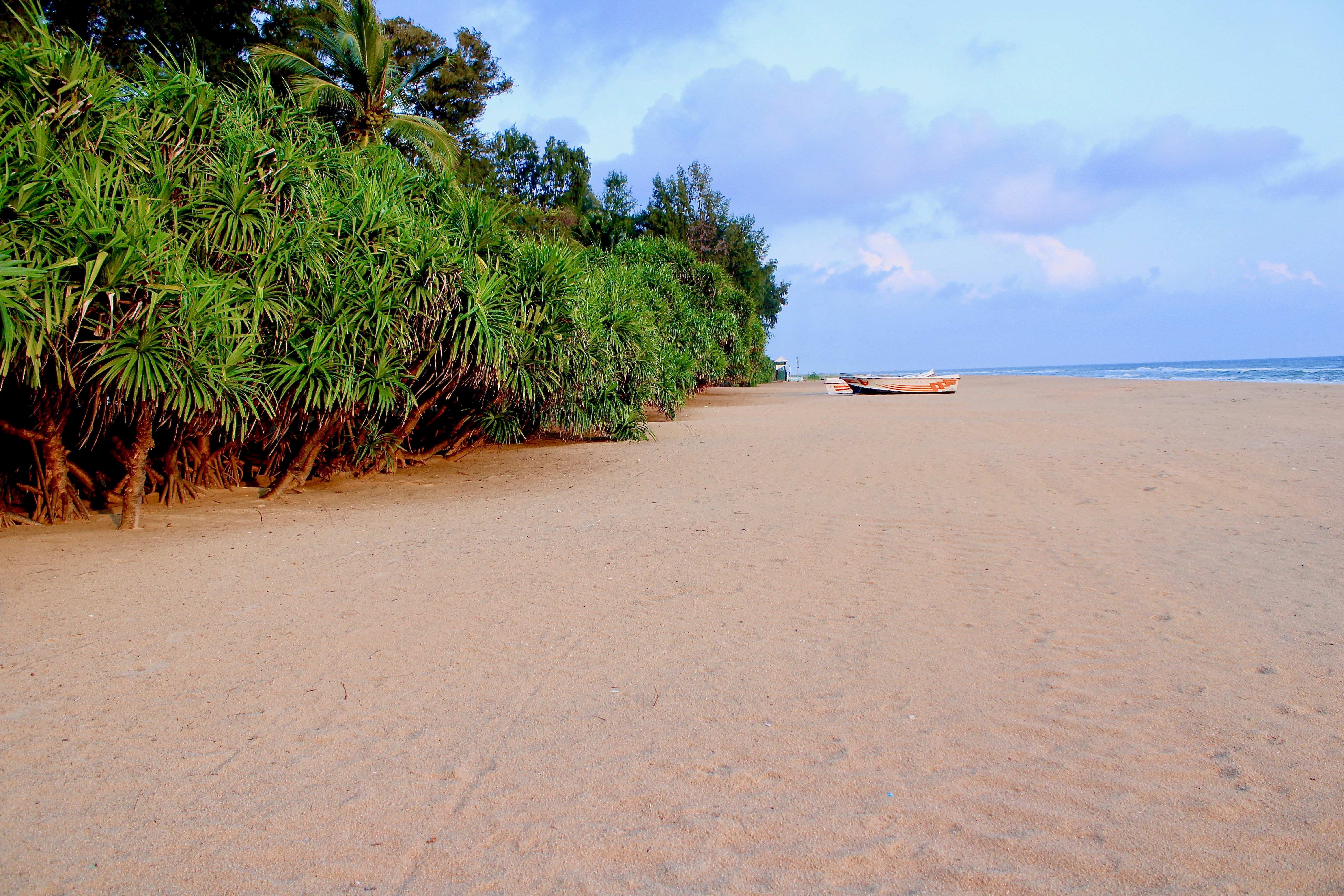
After 90 minutes of snorkel, take a short break on the beach. The image sand to return to after a snorkel — small island, casuarina shade — is exactly this break. Return on the boat by mid-morning, before the sea picks up and the sun gets fierce.
Practical Details
- Location: About 2 km off Nilaveli Beach, Eastern Province
- Getting There: A 15-minute boat ride from a small jetty at the southern end of Nilaveli Beach. Most boats include guesthouse pickup.
- Best Time to Visit: May to September, with July and August calmest. Mornings (departure 7–8am) are best for visibility and calm seas.
- Entry: Park entrance fee around USD 15–25 per person, plus boat charter from around USD 20–35 per person depending on group size (verify current rates).
- What to Bring: Swimwear, reef-safe sunscreen (the reef-friendly kind matters here), mask and snorkel if you have your own, light rashguard for sun protection, hat, water, towel.
Pair It With
- Nilaveli Beach — You’re right next to it — pair the morning snorkel with afternoon beach.
- Koneswaram Temple — A 30-minute drive south — combine a Pigeon Island morning with a temple sunset.
- Marble Beach — A different east-coast swim south of Trincomalee — combine for a fuller east-coast picture.
Why It Belongs on Your Sri Lanka Journey
Pigeon Island is the east coast’s only proper coral-reef snorkel within easy day-trip distance, and worth the early start for the calm water and the chance of turtles. We build it into Nilaveli stays as a half-day morning trip, ideally early in the visit so you can repeat it if the first trip is rained out. For Dutch and Belgian travellers visiting in the European summer, when the south coast’s coral is mostly under monsoon, this is the snorkel that delivers. Bring your own mask if you have one, choose a careful operator, and respect the reef — it’s recovering, slowly, and asks for kindness.
Plan your visit to Pigeon Island National Park with DBRO
We design slow, considered Sri Lanka itineraries from our base on the island, with a particular ear for travellers from the Netherlands and Belgium. If Pigeon Island National Park is on your shortlist, we’ll fit it into a route that lets it breathe.
Useful next reads:

