
A long curve of pale sand backed by coconut palms, the water glass-still and turquoise, and a bay so shallow you can wade out two hundred metres before the water reaches your waist. Pasikuda is the east coast’s gentlest beach — the kind that families with small children find by accident and refuse to leave.
The Story
Pasikuda — sometimes spelled Passikudah — sits about 35 kilometres north of Batticaloa town on Sri Lanka’s east coast. The bay is famous for one thing in particular: the water is unusually shallow. The continental shelf slopes away very gradually here; you can walk 200 metres into the sea and still be in chest-deep water, with a sandy bottom and almost no current. For families with small children, swimmers who don’t love deep water, and travellers who simply want to lie on a sun-lounger in the sea, the bay is unmatched on the island.
The beach was developed in the 1970s as one of Sri Lanka’s early resort areas, but the long civil war (1983–2009) effectively closed the east coast to mainstream tourism for over two decades. The 2004 tsunami caused further damage. The current chapter began in 2012, with a steady redevelopment of the bay as a string of resorts — many of them larger and more all-inclusive in style than what you’ll find on the south coast. Smaller boutique guesthouses are slowly returning to the area too.
The east-coast season runs May through September, exactly opposite to the south coast’s November-to-April window. If you’re travelling in the European summer holidays — July and August — Pasikuda is one of the most reliable beach choices on the island. The water is calm, the seas are warm, and the rains stay mostly in the early morning. Outside the season, the north-east monsoon (October–January) brings rougher seas and grey afternoons; many resorts close or run skeleton operations.
The local community is largely Tamil and Muslim, with a long maritime tradition. The fishing industry continues to operate at the southern and northern ends of the bay; you’ll see brightly-painted boats heading out at first light and returning before mid-morning.
What You'll Experience
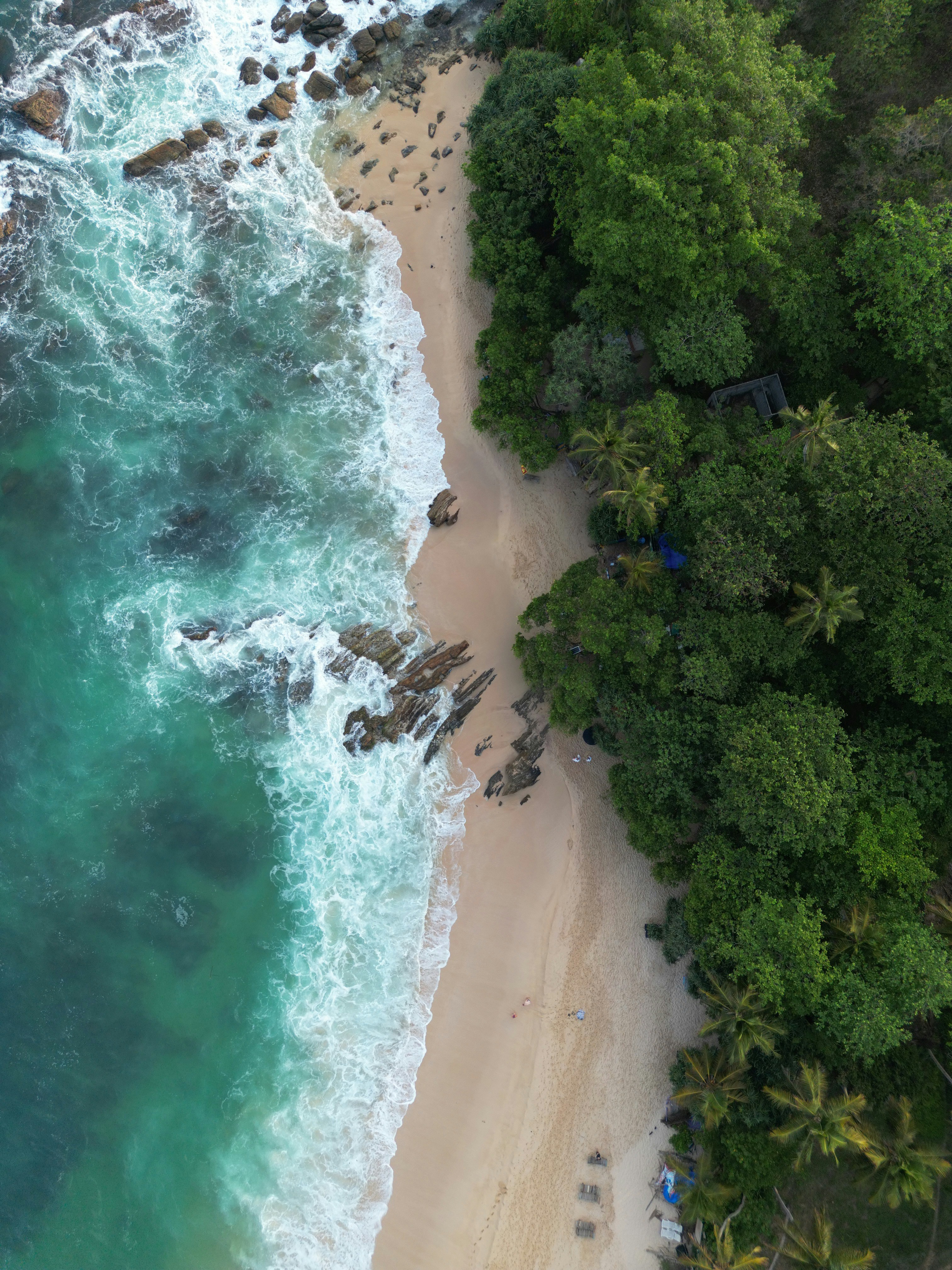
Pasikuda is, by design, an unstrenuous beach. Most days here look something like this: an early-morning swim before the heat builds, a long breakfast, a few hours under a parasol on the sand, lunch, a nap, a late-afternoon swim, sunset, dinner. There is little to do in the conventional sense, and that is the entire appeal.
The shallow bay is the highlight. Walk out from the high-tide mark; after about 50 metres the water is at your knees, after 100 it’s at your waist, after 200 it’s at chest. Children play in the warm shallows for hours. There’s a small reef offshore — a 15-minute swim or short kayak ride — where snorkelling reveals coral fish, the occasional sea turtle, and the calm shallow ecosystem the bay supports. The image in our caption east-coast water hosts gentle wildlife — turtles in shallow water — refers to exactly this kind of scene.
Walk the bay end-to-end at sunset. The light on the east coast is different from the south: the sun drops behind the land, not the sea, but the eastern sky turns rose and gold for nearly an hour after, and the sand-and-water quiet is exceptional. Small fishing boats prepare for the night out. You can find a beach restaurant for grilled fish and an arrack soda; some of the larger resorts also have proper sand-side dining.
If you want a day’s adventure, the Batticaloa Lagoon to the south is a 45-minute drive and works as an unhurried late-afternoon trip. Otherwise, a Pasikuda stay tends to fill itself with sand and water and very little else.
Practical Details
- Location: About 35 km north of Batticaloa, Eastern Province
- Getting There: About 6 hours by car from Colombo via Kandy, or 4.5 hours from Sigiriya. No direct train; the closest station is Batticaloa, then a tuk-tuk.
- Best Time to Visit: May to September is dry and calm. October to January brings the north-east monsoon. February to April are warming shoulder months.
- Entry: Free. Resort sun-loungers and water-sport hire charge as you go.
- What to Bring: Swimwear, reef-safe sunscreen, hat, mask and snorkel if you have them, beach towel, light layer for breezy evenings.
Pair It With
- Batticaloa Lagoon — A 45-minute drive south — combine the beach with a late-afternoon mangrove paddle.
- Trincomalee’s Marble Beach — A 1.5-hour drive north — pair on a longer east-coast itinerary.
- Pigeon Island National Park — Snorkel-trip island off Nilaveli, an easy day-trip from Pasikuda or Trincomalee.
Why It Belongs on Your Sri Lanka Journey
Pasikuda is the east coast’s answer to the question where do we put the kids? The shallow bay, the long quiet beach, and the relative absence of nightlife make it ideal for families and for travellers who simply want a stretch of soft sand and warm water in the European summer. Build it into an east-coast itinerary with two or three nights in Trincomalee further north, three or four in Pasikuda, and a finishing leg in Arugam Bay before flying home from Colombo. Travellers from Amsterdam and Brussels in particular tell us a Pasikuda week is the easiest part of the holiday to enjoy and the hardest part to leave.
Plan your visit to Pasikuda Beach with DBRO
We design slow, considered Sri Lanka itineraries from our base on the island, with a particular ear for travellers from the Netherlands and Belgium. If Pasikuda Beach is on your shortlist, we’ll fit it into a route that lets it breathe.
Useful next reads:

