
A small dirt track winds through the dry-zone forest, the red soil bright as paprika under the wheels. The track ends at a low cliff of the same red earth above an empty crescent of sea. There is no guesthouse, no cafe, no other vehicle. There is sometimes — if the wind is right — a single fisherman pulling in a small boat. The wind smells of salt and wood smoke.
The Story
Kudiramalai Point is a remote red-soil headland on the western edge of Wilpattu National Park, where the park boundary meets the Indian Ocean. The name in Tamil means Horse Mountain; the local Sinhala name, Asikulama, carries a similar reference. The headland is famous for the colour of its earth — a deep iron-rich red that turns the entire bluff and the surrounding forest tracks into a landscape that feels distinctly different from the rest of the island.
The point has a deep historical resonance in Sri Lankan tradition. According to the Mahavamsa — the great chronicle of the island — this is the landing point of Prince Vijaya, the legendary 6th-century-BCE ancestor of the Sinhalese people, who came from north India with 700 followers and founded the first Sinhalese kingdom. The chronicle describes the Tambapanni (copper-coloured sand) on which Vijaya landed, and the red earth of Kudiramalai is widely identified with this beach.
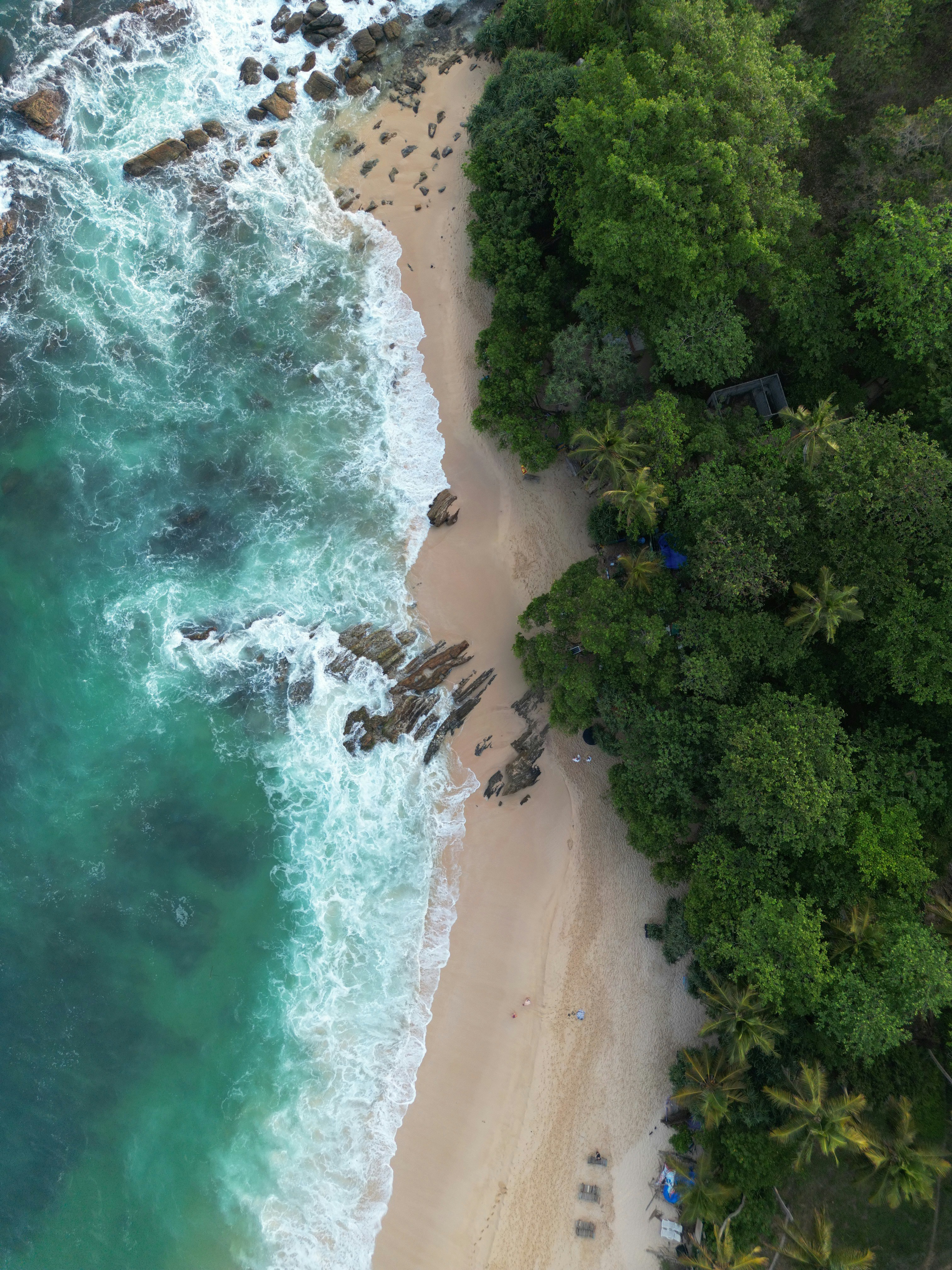
Whether you treat the legend as history or as foundational myth, the place itself rewards a slow visit. The headland is genuinely remote: a 90-minute drive on rough tracks from the nearest paved road, with no commercial development and no regular tourist traffic. The park surrounding it is dry-zone scrub forest with a low density of wildlife — leopards and elephants both pass through, though sightings on the access track are rare. The image in our caption wide, lonely shoreline captures the sense of distance and quiet that defines the visit.
Practical access is via the Wilpattu park gate or via a separate northern-coast route through Pukkulam. Both are slow and require a 4×4. Most travellers reach Kudiramalai as a half-day extension of a Wilpattu safari, with the safari driver continuing to the headland after the morning park drive.
What You'll Experience
Plan the visit as a half-day from your Wilpattu accommodation. Pickup from your hotel around 6:30am; drive to the park gate or the northern access track and continue on rough dirt roads for 60–90 minutes through dry-zone forest. Window down — the air smells of warm earth and old leaves; the dust on the track turns the back of the jeep red within minutes.
The track is largely empty. You may pass a single jeep, perhaps a small herd of grazing wild buffalo, the occasional sambar deer crossing in the distance. After about an hour you emerge from the forest onto open grassland, and the ocean appears suddenly to your left. The headland itself is a low bluff of the same iron-red earth, perhaps 20 metres above the sea. There’s a small parking area, an unguarded cliff edge, and a path down to the beach.
Walk down to the sand. The beach is a long crescent, the sand finer and slightly red-tinged, with shallow water and a strong westerly breeze. You may meet a single fisherman; sometimes a small fishing village a kilometre to the south sends boats out from this beach. Otherwise, the beach is empty. The image in our caption a quiet bay of red soil and sea — empty crescent, no commercial development — is exactly the texture of the place.
Sit on the headland. The wind is warm and steady. Below you, sea turtles sometimes graze on the seagrass beds offshore — the image wildlife share the same coast captures this kind of presence. The red earth, the empty sea, the slow wind: this is one of the few places left in Sri Lanka where a sense of the unsettled, pre-modern coast is still genuinely available. Spend an hour. Return on the same track. By the time you’re back at the hotel, you’ll be dust-covered, sun-tired, and quietly happy.
Practical Details
- Location: Western edge of Wilpattu National Park, North Western Province
- Getting There: A 60–90 minute drive on rough dirt tracks from a Wilpattu base. Requires a 4×4 jeep — a regular saloon car will not make the access track.
- Best Time to Visit: February to October. The dry season is essential — the tracks become impassable in the north-east monsoon (November–January).
- Entry: If accessed via the Wilpattu park gate, the standard park fee applies (around USD 25–30, plus jeep hire). The northern route may have a separate small fee at the local checkpoint.
- What to Bring: Sun protection, dust scarf, water (1L minimum), hat, sturdy footwear, a small lunch or snack (no facilities at the headland), and patience for the slow drive.
Pair It With
- Wilpattu National Park — Pair a morning safari with an afternoon at the headland — a full Wilpattu day.
- Anuradhapura — A 90-minute drive east — combine the headland with a Cultural Triangle stay.
- Sigiriya Rock Fortress — On a longer northern itinerary — combine with the Cultural Triangle highlights.
Why It Belongs on Your Sri Lanka Journey
Kudiramalai is the kind of half-day excursion that travellers either find deeply moving or quietly unimpressive — there’s nothing performative about the place, no built attractions, just empty coast and red earth. We mention it as an option for travellers staying two or more nights at Wilpattu, particularly those drawn to the legendary-historical layer of Sri Lanka. For Dutch and Belgian travellers used to the careful curation of European heritage sites, the unbuilt, unguarded, unselfconscious nature of the place tends to be either the best or the most disorientating part of a Wilpattu trip.
Plan your visit to Kudiramalai Point with DBRO
We design slow, considered Sri Lanka itineraries from our base on the island, with a particular ear for travellers from the Netherlands and Belgium. If Kudiramalai Point is on your shortlist, we’ll fit it into a route that lets it breathe.
Useful next reads:

